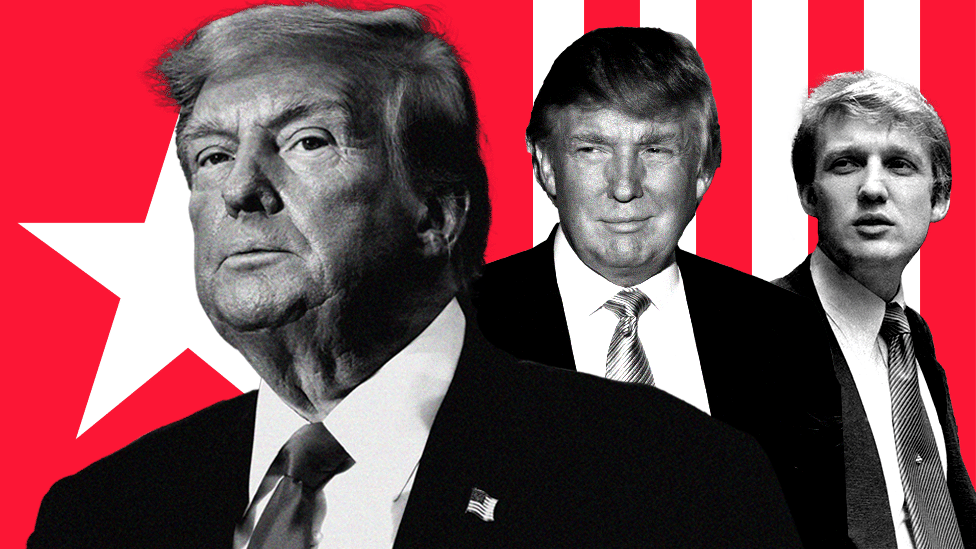
Washington, D.C.: As the United States prepares to celebrate the 250th anniversary of its independence, a growing national debate over the scope of presidential authority has emerged, placing President Donald Trump’s leadership style under renewed scrutiny.
The discussion comes as the country gears up for a series of commemorative events marking a quarter millennium since the signing of the Declaration of Independence. President Trump has played a highly visible role in many of the celebrations, appearing at major public events and promoting what the administration describes as a nationwide tribute to American history and patriotism.

While supporters view the president’s involvement as a reflection of strong leadership and national pride, critics argue that the focus on Trump has overshadowed broader bipartisan efforts intended to mark the historic milestone.
Questions Over the Reach of Executive Authority
Since beginning his second term in January 2025, Trump has pursued an assertive governing agenda that has reignited discussions about the limits of presidential power.
His administration has placed trusted political allies in key government positions, taken an active role in shaping federal policy, and adopted an expansive interpretation of executive authority in several areas of governance. These moves have sparked debate among legal scholars, historians and political commentators over the balance of power between the executive branch and other democratic institutions.
Trump has repeatedly rejected claims that his actions exceed constitutional boundaries, maintaining that he is exercising powers legally granted to the presidency and carrying out the mandate given to him by voters.
Historical Echoes and Modern Concerns
Debates about strong presidential leadership are not new in American politics. Throughout the nation’s history, comparisons between powerful presidents and monarchs have periodically surfaced during moments of political tension.
Some historians believe recent developments have revived those longstanding discussions. They note that concerns about concentrated executive authority mirror many of the questions that influenced the framers of the U.S. Constitution as they sought to establish a system of checks and balances.
Public debate intensified earlier this year after references comparing political leadership with royal symbolism circulated widely online and in political discourse. Opposition groups have increasingly adopted slogans emphasizing democratic accountability and constitutional limits, arguing that executive authority should remain subject to institutional oversight.
Courts Remain a Key Check on Presidential Power
The judiciary continues to play a central role in defining the boundaries of presidential authority. Several disputes involving executive actions have reached the U.S. Supreme Court, resulting in rulings that have both strengthened and constrained presidential powers.

Legal experts remain divided on the broader implications of these decisions. Some argue that recent judgments have expanded executive flexibility, while others contend that the constitutional system continues to provide effective safeguards against the concentration of power.
The ongoing legal battles underscore the enduring importance of judicial review in maintaining the balance between the branches of government.
Financial and Ethical Questions Persist
Financial disclosures, business interests and cryptocurrency-related ventures associated with the president and members of his family have also remained subjects of public discussion.
Ethics advocates have called for greater transparency and stronger safeguards to prevent potential conflicts between public responsibilities and private financial interests. The administration has consistently maintained that its activities comply with applicable laws and regulations.
The debate reflects broader concerns about accountability and ethical standards in public office, issues that have become increasingly prominent in contemporary American politics.
Justice Department Independence Under Spotlight
Another area of contention involves the relationship between the White House and the Department of Justice. Critics have expressed concern that investigations involving political figures could raise questions about institutional independence, while supporters argue that law enforcement agencies must be free to pursue cases based on evidence regardless of political considerations.
As legal proceedings and investigations continue, questions about the appropriate relationship between the executive branch and federal law enforcement are likely to remain part of the national conversation.
A Defining Issue for America’s Future
With the United States approaching its 250th anniversary in 2026, discussions about presidential authority, constitutional limits and democratic governance are expected to remain at the forefront of public debate.
For supporters and critics alike, the conversation extends beyond any single administration. At its core lies a broader question that has shaped American politics since the nation’s founding: how to balance effective leadership with the constitutional safeguards designed to protect democratic institutions and preserve the separation of powers.